
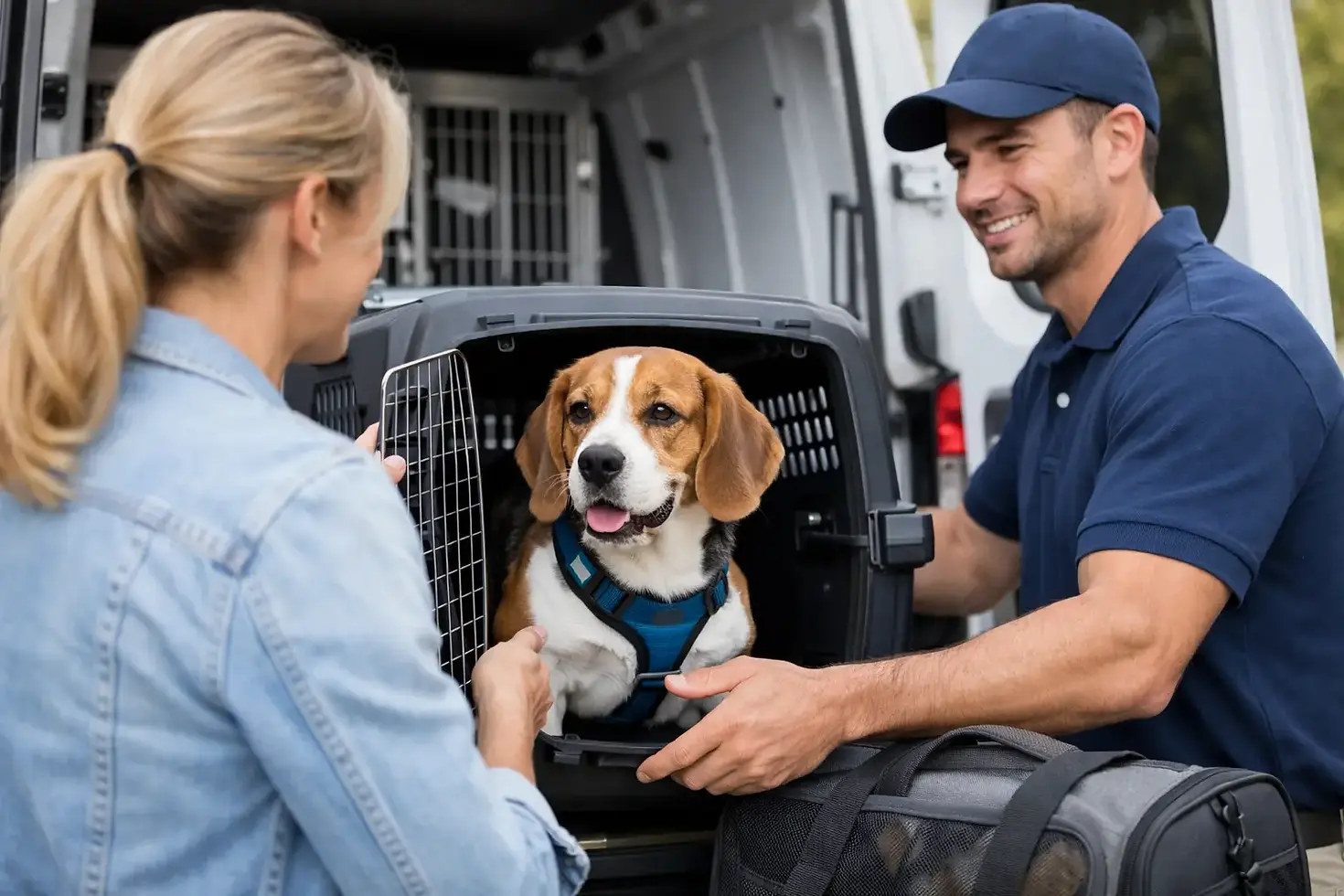
How to Choose a Dog Transport Service

When you need a dog transport service, the hardest part usually is not the miles. It is handing your dog over to someone else and hoping they care the way you do. That decision carries a lot of emotion, especially if you are moving, welcoming a new puppy, handling a military relocation, or trying to coordinate a trip to a place like Hawaii or Alaska.
A good transport experience should not feel cold or transactional. Your dog is not a box with a label. Your dog is family, and the right provider should act like they understand that from the first conversation.
What a dog transport service should actually provide
At a basic level, a dog transport service moves your pet from one location to another. But that simple definition leaves out the part that matters most - care during the trip.
Real pet transportation is about planning the route, choosing the safest travel format, handling timing, monitoring your dog’s comfort, and keeping you informed along the way. Some dogs do well with standard ground or air arrangements. Others need more hands-on support, direct supervision, or a quieter, more customized approach.
That is why service options matter. One family may need a flight nanny for a small dog that should stay close to a human escort throughout the trip. Another may need standard transport for a healthy adult dog traveling across states. A nervous senior dog may need a more tailored VIP-style arrangement with extra attention and fewer transitions. There is no one-size-fits-all answer, and any trustworthy provider should be honest about that.
Why trust matters more than price
Most pet owners do not start by asking, “What is the cheapest option?” They start by asking, “Will my dog be safe?” That is the right question.
Price matters, of course. Transport costs can vary based on distance, route, destination, timing, breed, crate needs, and whether your dog is flying or traveling over land. But cheaper is not always better when live-animal care is involved.
If a quote seems unusually low, it is fair to ask why. Is the route indirect? Will your dog be passed between multiple handlers? How often will you get updates? What happens if plans change due to weather, delays, or airline rules? Saving money upfront can come with trade-offs that feel a lot bigger once your pet is in transit.
The better question is whether the service feels accountable. You should know who is handling your dog, what the plan is, and how communication works before the trip even begins.
Signs you are choosing the right dog transport service
The strongest providers tend to sound less like dispatch centers and more like experienced people who know animals. They ask about your dog’s age, breed, temperament, health, and travel history because those details shape the trip.
They also explain the process clearly. You should not feel like you are guessing your way through booking. A dependable company will tell you what information they need, how the route is built, what paperwork may be required, and what pickup and delivery will look like.
Communication is another big sign. If it is hard to get a straight answer before booking, it rarely gets better once the trip starts. Pet owners deserve timely updates and a clear point of contact. You should not be left wondering where your dog is or what is happening next.
Experience matters too, especially on more complicated routes. Interstate travel is one thing. Transport involving island destinations, weather-sensitive timing, airline coordination, or remote delivery points is another. In those cases, practical experience can make the difference between a smooth trip and a stressful one.
Questions to ask before booking
A quality company should welcome questions. In fact, if someone seems annoyed that you are asking about care standards, that is useful information.
Start with the basics. Ask who will be responsible for your dog during transport and what type of travel is being recommended. Ask how often your dog will be monitored, how potty breaks or comfort stops are handled if traveling by ground, and what support is offered during air travel.
Then ask about communication. Will you receive text updates, photos, or check-ins during the trip? Who do you contact if you have a question while your dog is in transit?
It is also smart to ask what depends on your dog specifically. A young, social dog may travel differently than a brachycephalic breed, a medically fragile pet, or a dog with high anxiety. A good provider does not force every animal into the same process.
Different transport options and when they make sense
Not every trip should be handled the same way. That is one reason personalized quoting matters.
Standard pet transport often works well for straightforward trips where the dog is healthy, the route is manageable, and the owner wants a reliable, cost-conscious option. It can be a strong fit for relocations, adoptions, and breeder-to-family deliveries.
A flight nanny service can make more sense when a pet needs close human supervision during air travel. This option is often appealing for smaller dogs, younger puppies, and owners who want their pet accompanied through each leg of the journey rather than moved through a more detached process.
VIP transport is usually best for dogs who need extra attention, reduced stress, more direct routing, or a highly customized plan. It may also be the right call for owners who simply want the highest level of oversight available.
The right choice depends on the dog, the route, and your comfort level. A trustworthy company will help you weigh those factors instead of pushing a single option for every situation.
Preparing your dog for transport
Even the best dog transport service works better when the dog is prepared. That does not mean your pet needs special training, but a little planning can help.
Make sure your provider has accurate details about your dog’s health, behavior, feeding routine, and any medications. If your dog is crate-trained, that often helps with adjustment during travel. If your dog is not used to confinement or transitions, say so early. It is better to plan around those needs than pretend they are not there.
You should also ask about what to send with your dog. In some cases, a familiar blanket or small comfort item helps. In others, especially with certain travel methods, there may be limits on what can go along. Clear instructions matter.
Most of all, give yourself time. Last-minute transport can sometimes be arranged, but more lead time usually means more flexibility and a calmer process for everyone involved.
What first-time customers often worry about
If this is your first time booking pet transportation, your concerns are normal. Many owners worry their dog will feel scared, confused, or overlooked. Others worry about delays, health issues, or not hearing enough during the trip.
That is why the human side of service matters so much. Strong transport partners do more than move pets. They reduce stress for the people who love them. They explain what is happening, prepare you for the parts that may vary, and stay present throughout the process.
At Paws n' Relax, that personal approach matters because pet travel is never just a route on a map. It is a handoff of trust.
The best service feels personal because it is
There is a practical side to pet transport - paperwork, scheduling, logistics, timing. All of that matters. But families rarely remember the paperwork. They remember whether they felt heard, whether their questions were answered, and whether their dog arrived safe and well cared for.
That is the standard worth looking for. Not just movement, but attention. Not just delivery, but accountability. When a company treats your dog like family and keeps you informed from pickup to arrival, the trip feels less overwhelming and a lot more manageable.
If you are comparing providers now, trust your instincts along with the facts. Ask questions. Look for clarity. Choose the team that makes you feel like your dog’s well-being is the center of the trip, because it should be.


Comments