

Long Distance Dog Transport Made Personal
- Paws n Relax
- 3 days ago
- 6 min read

A cross-country move, a military assignment, a new puppy waiting in another state, or a family emergency can put pet parents in a difficult position: you need your dog with you, but you cannot make the trip yourself. Long distance dog transport should never feel like handing over a box and hoping for the best. Your dog deserves a travel plan built around their comfort, health, and personality.
For many families, the hardest part is not choosing a route. It is trusting someone else with a family member. A good transport experience replaces that uncertainty with clear communication, thoughtful preparation, and people who treat every mile seriously.
What Long Distance Dog Transport Really Involves
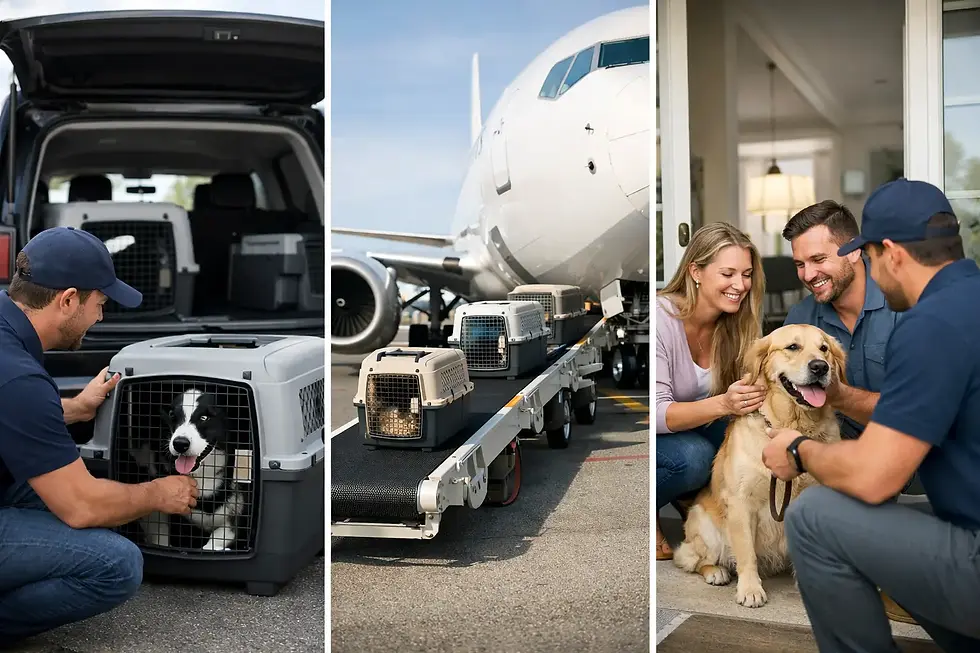
Long distance dog transport is the coordinated movement of a dog across state lines or to a distant destination. Depending on the trip, that may involve ground travel, a flight nanny, airline arrangements, or a customized combination of services. The right option depends on the dog, the destination, the timeline, and the level of hands-on care your family needs.
There is no one-size-fits-all answer. A calm adult dog traveling from Texas to Florida may do well with carefully planned ground transport. A small dog headed to a family in Washington may be better suited for a flight nanny who can stay close throughout the journey. Hawaii and Alaska often require additional planning because airline rules, weather, timing, and paperwork can affect the trip.
The goal is not simply arrival. It is safe arrival with a dog who has been cared for, monitored, and handled with patience along the way.
Start With Your Dog, Not the Route
Before choosing a transport format, consider what your dog needs to feel secure. Age, size, breed, health history, energy level, and past travel experience all matter. A senior dog with mobility concerns needs a different plan than an energetic young retriever. A brachycephalic breed, such as a French bulldog or pug, may need extra attention around temperature and air travel considerations.
Be honest about your dog's habits. Do they become anxious in a crate? Are they comfortable around new people? Do they need medication, a specific feeding schedule, or frequent potty breaks? These details are not minor. They help a professional transporter build a safer, kinder plan.
It also helps to think about timing. The fastest option is not always the best one. A direct flight may reduce overall travel time, while a road trip can be a better fit for dogs who need more frequent breaks or are not suited to flying. A responsible provider will explain the trade-offs instead of pushing every pet into the same service.
Choosing the Right Transport Option
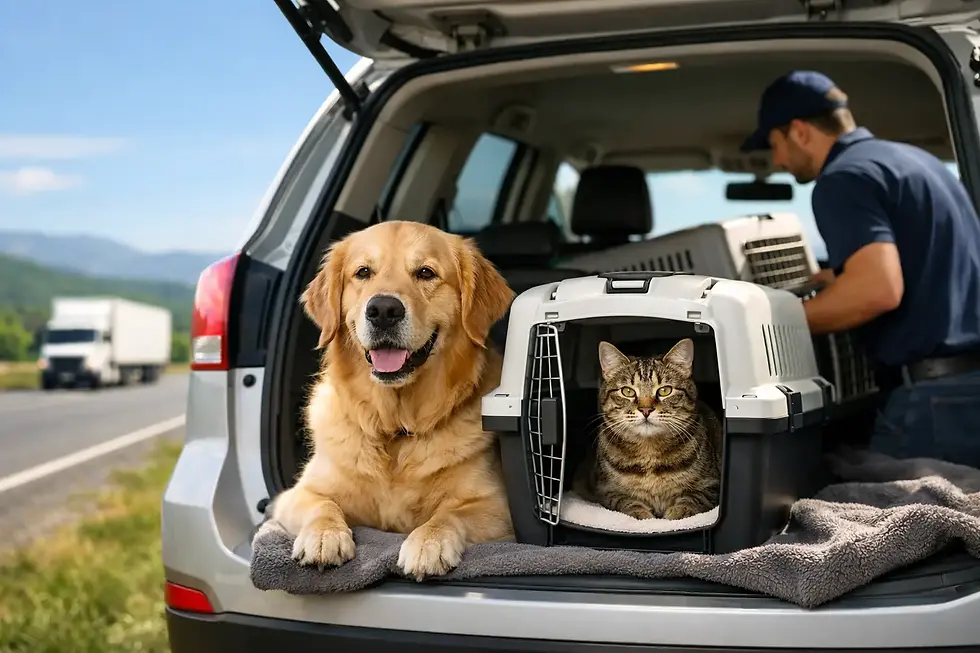
Most long-distance trips fall into a few broad categories. Standard ground transport is often a practical choice for domestic routes when a dog can travel comfortably by vehicle. It allows for scheduled breaks, water, meals, and observation during the trip.
Flight nanny service is generally best for smaller pets that can travel in an airline-compliant carrier with a trained escort nearby. This option can be especially helpful when time matters or when a long ground route would be tiring for the pet. Airline schedules, weather delays, and carrier requirements still need to be considered, so flexibility is helpful.
VIP transport offers a more individualized travel experience for families who want dedicated attention, specialized timing, or accommodations for a dog with particular needs. It may be the right choice for a nervous pet, a large breed, a puppy traveling to a new home, or an owner who wants a more tailored plan.
Cost will vary based on distance, route, travel method, the dog's size, timing, and any special requirements. A low quote can be tempting, but it should never be the only deciding factor. Ask what level of care is included, how updates are handled, who is responsible for the dog during every stage, and what happens if a delay changes the plan.
How to Prepare Your Dog for a Long Trip
Preparation starts before pickup day. Dogs often sense changes in routine, and a few familiar items can make a new experience less stressful. If your dog will use a carrier or crate, give them time to become comfortable with it at home. Let them rest inside with the door open, add a familiar blanket if appropriate, and keep the experience positive.
Make sure identification is current. Your dog should have a secure collar with an ID tag, and their microchip information should be registered with your current phone number and address. Keep health records, vaccination information, medication instructions, and your veterinarian's contact details organized and available.
Talk with your veterinarian well before travel, especially if your dog has a medical condition, takes prescriptions, or has a history of anxiety. Do not start new calming medication on travel day. If medication is recommended, your vet may want your dog to try it ahead of time so you know how they respond.
On pickup day, keep the handoff calm. A long, emotional goodbye can make an already sensitive dog more unsettled. Offer a normal meal according to the agreed travel plan, take one last potty break, and send only the items requested by the transporter. Too many loose belongings can complicate safe travel.
Questions That Build Trust Before You Book
You deserve straight answers before someone takes your dog across the country. A professional pet transportation company should welcome questions and make the process easy to understand.
Ask how your dog will travel, where they will rest, how often they will receive water and breaks, and how the team handles meals or medication. Find out how pickup and delivery windows work. Long routes can be affected by traffic, weather, airline operations, and the needs of the animal, so exact timing may not always be possible. What matters is that you receive honest updates instead of silence.
Also ask who will communicate with you during the trip. Will you receive photos, messages, or location updates? Is there a clear point of contact if you have a question? The best transport partners understand that communication is part of care. A quick update can mean everything to a family watching the clock from far away.
At Paws n' Relax, we believe pets are family, not cargo. That means looking closely at the individual trip, explaining the options clearly, and staying connected from pickup through delivery.
What a Thoughtful Travel Day Looks Like
A well-managed transport day is usually calm and organized, not rushed. The transporter confirms the pickup details, reviews the dog's care instructions, checks identification, and makes sure the travel setup is secure before leaving. For ground trips, the day should include safe stops for potty breaks, hydration, and movement based on the dog's needs and the conditions on the road.
For flight-based trips, careful timing is essential. The dog should arrive at the airport with the correct carrier, documentation, and a plan for navigating check-in and security. An experienced flight nanny understands that travel days can change quickly and keeps the pet's welfare at the center of each decision.
When your dog arrives, give them time to decompress. Even a smooth trip is a big experience. Offer water, a quiet space, and a chance to go outside. Avoid overwhelming them with a crowd, new pets, or too much activity right away. Most dogs settle more quickly when their first few hours are simple and familiar.
When the Trip Is More Complicated
Some moves require extra patience. Hawaii and Alaska transportation can involve stricter documentation, limited flight availability, weather considerations, and destination-specific requirements. Families relocating on military orders may also face firm deadlines that need early planning.
Puppies, rescue dogs, and newly rehomed pets can bring another layer of sensitivity. They may be traveling with someone they do not know to a home they have never seen. In those cases, gentle handling and clear coordination with both the sending and receiving families matter just as much as the route.
The earlier you begin planning, the more options you usually have. Share complete details about your dog and destination when requesting a quote. That gives the transport team the information needed to recommend a realistic plan rather than a rushed promise.
Your dog may not understand why the scenery is changing, but they will understand calm voices, kind handling, a safe place to rest, and the relief of seeing their people at the end of the trip.

Comments