
What Does a Flight Nanny Do for Pets?

Handing your puppy or kitten to someone else at an airport is a big emotional ask. If you are wondering what does a flight nanny do, the short answer is this: a flight nanny personally escorts your pet on a commercial flight, stays with them through each step of travel, and focuses on comfort, safety, and communication from pickup to delivery.
That sounds simple, but the details matter. For many pet owners, this service is the difference between feeling anxious for days and feeling confident that their animal is being cared for by a real person the entire way.
What does a flight nanny do during pet travel?
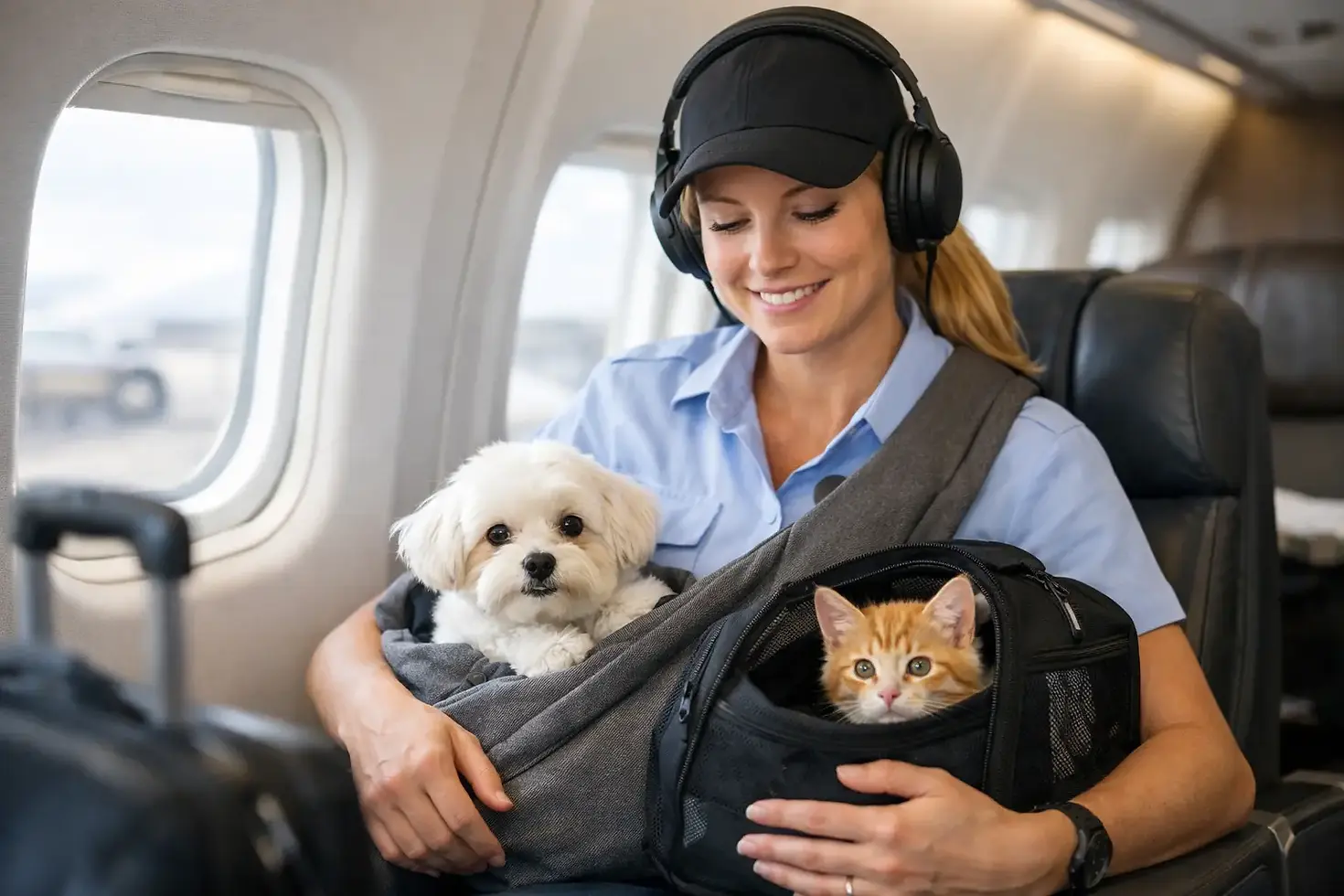
A flight nanny travels with a pet in the cabin of a commercial flight when the animal meets airline size and age requirements. Instead of shipping the pet as cargo, the nanny keeps the pet close, monitors their condition, and handles the practical parts of the trip.
That usually includes coordinating pickup or meeting arrangements, confirming travel documents, getting through the airport, carrying or guiding the pet in an airline-approved carrier, and delivering the pet safely to the new owner, family, or breeder at the destination. Just as important, a good flight nanny provides updates along the way so you are not left wondering what is happening.
This is a hands-on service. A flight nanny is not just booking a ticket and showing up at the gate. They are there to reduce stress for the pet and reassurance for the owner.
The day-to-day responsibilities of a flight nanny
Most of the work starts before the plane ever leaves the ground. A flight nanny reviews the pet's age, breed, size, and travel needs to make sure cabin travel is the right fit. Some pets are excellent candidates for this kind of transport. Others may need a different plan because of airline restrictions, weather concerns, snub-nosed breed policies, or route limitations.
Before travel, the nanny or transport company may help confirm what paperwork is needed. That can include health certificates, vaccination records, or destination-specific requirements. The exact paperwork depends on where the pet is going and which airline is being used.
On travel day, the nanny meets the pet, makes sure the carrier is appropriate, and checks that the animal is comfortable and secure. At the airport, they handle check-in and move through security while keeping the pet calm. That part alone can be a relief for owners who have never flown with an animal before.
Once on the plane, the flight nanny keeps an eye on the pet throughout the trip. While airline rules limit when a pet can be taken out of the carrier, the nanny still monitors breathing, stress level, and general comfort. During layovers or approved breaks, they may offer water, clean up accidents if needed, and make sure the pet is settled before the next leg of travel.
After landing, the work is not over. The nanny retrieves belongings, moves through the airport, and completes the handoff to the receiving party. In many cases, they also share arrival updates, photos, or confirmation that the pet has been safely delivered.
More than transportation
The best flight nannies do more than move pets from one city to another. They read body language, notice signs of stress, and adjust their handling to the animal in front of them. A bold, social puppy may need very different support than a shy rescue dog or a young kitten on its first trip.
This matters because pet travel is not one-size-fits-all. Some animals settle quickly and sleep through most of the trip. Others need a slower, quieter approach. A caring flight nanny understands that the goal is not just arrival. The goal is arrival in good condition, with as little stress as possible.
That human attention is one of the biggest reasons owners choose this service. Pets are family, and families want to know someone is truly present with their animal.
What a flight nanny does not do
A flight nanny is not the same as cargo shipping, and that distinction is important. Cargo transport can be appropriate in some situations, especially for larger pets that cannot travel in cabin, but it is a different process with different handling.
A flight nanny also is not a substitute for veterinary care. They can observe, communicate concerns, and follow care instructions within reason, but they do not diagnose medical problems or provide advanced treatment. If a pet has significant health needs, that should be discussed before travel so the right service can be chosen.
It is also worth knowing that not every pet qualifies for flight nanny service. Airlines have size limits for in-cabin travel, and certain routes, temperatures, and schedules can affect what is possible. That is why an honest transport provider will tell you when a different option makes more sense.
Why pet owners choose a flight nanny
For many families, the biggest benefit is peace of mind. You know your pet is not traveling alone. You know one person is responsible for keeping them safe, calm, and accounted for through every transition.
This is especially helpful in situations that already feel stressful, like military moves, cross-country relocations, adoptions, breeder deliveries, or rehoming arrangements. In those moments, owners are often balancing deadlines, paperwork, housing, and travel of their own. Having someone step in and care for the pet personally can lift a real burden.
There is also an emotional benefit. A flight nanny service feels more personal because it is personal. You are trusting a person, not a system, to get there when you cannot.
When a flight nanny is the right choice
Flight nanny service is often a strong fit for puppies, kittens, and small companion animals that can safely travel in the cabin under airline rules. It can be ideal when the owner is unavailable to travel, when the pet is too young or sensitive for a more complex transport setup, or when a direct hand-to-hand delivery is the top priority.
That said, it depends on the route. A simple domestic trip between major airports may be very straightforward. Travel to Alaska or Hawaii, or travel involving multiple connections, can require more planning and may not always fit standard cabin service. Breed, size, age, and temperament also matter.
A trustworthy company will not force the wrong service onto the wrong trip. They will walk you through the options and explain what is safest and most realistic.
What to expect from a good flight nanny service
A reliable flight nanny service should feel organized and personal from the first conversation. You should be able to ask questions, share details about your pet, and understand what the trip will look like before travel day arrives.
Clear communication is a big part of the job. Owners usually want to know when the pet has been picked up, when they have reached the airport, when the flight has landed, and when delivery is complete. Those updates matter because they turn a stressful unknown into a manageable process.
You should also expect honesty. If weather, airline rules, or pet size make cabin travel a poor option, a dependable provider should say so. Good care sometimes means recommending a different transport method.
Companies like Paws n' Relax build trust by treating transport as more than logistics. Yes, schedules and paperwork matter. But so does the way your pet is spoken to, handled, and cared for when nobody from your family is there to watch.
Questions worth asking before you book
If you are considering this service, ask who will be traveling with your pet, how updates are handled, what paperwork is required, and whether your pet is a good candidate for in-cabin travel. It is also smart to ask about backup plans for delays or cancellations.
You do not need a complicated sales pitch. You need clear answers, realistic expectations, and confidence that your pet will be treated with patience and care.
That is really the heart of the answer to what does a flight nanny do. They escort, monitor, communicate, and comfort. They take a trip that could feel impersonal and make it human.
When you cannot be the one carrying the carrier through the airport, hearing that your pet is safe and on the way home can mean everything.


Comments