
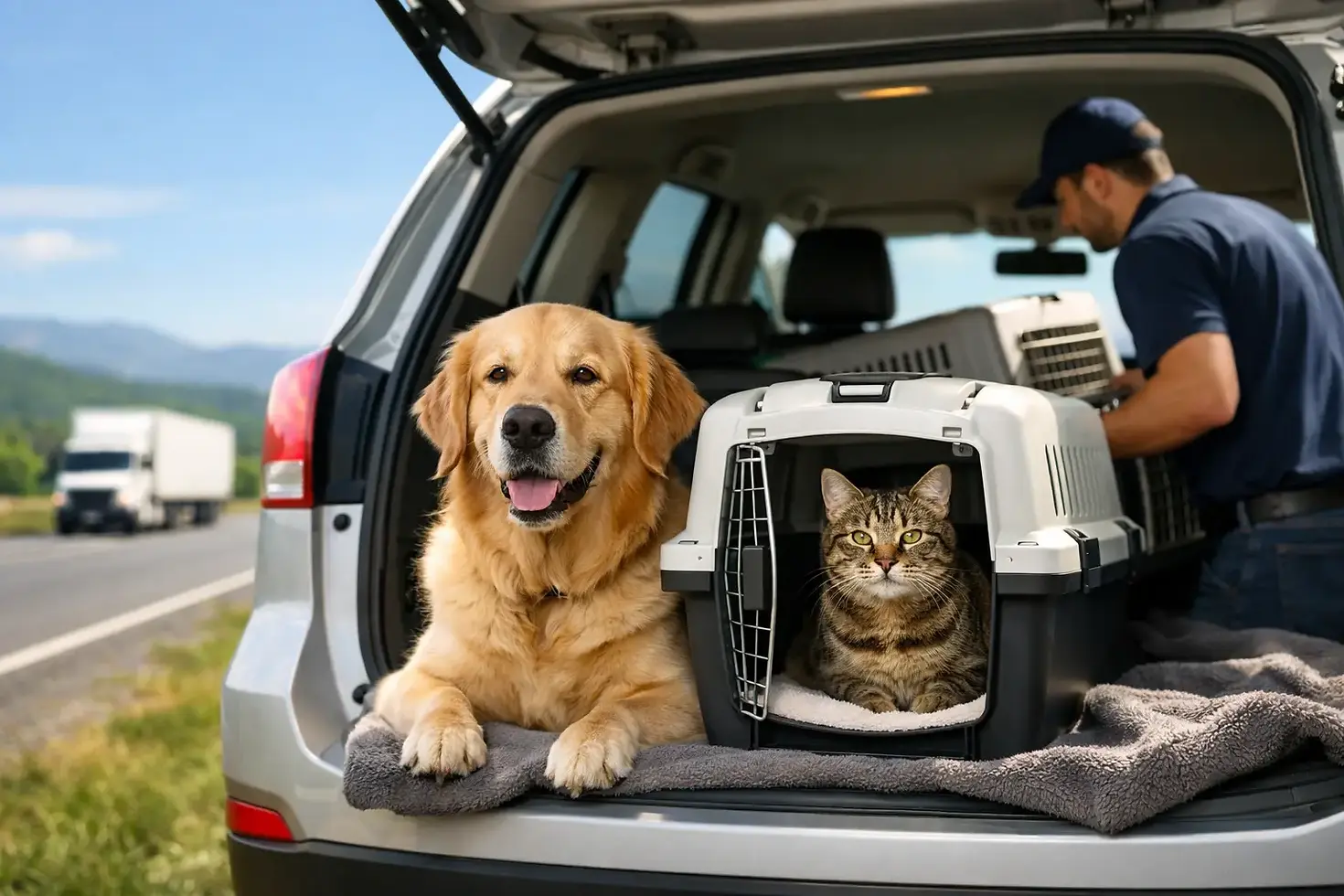
Cross Country Pet Transport for a Calm Trip

A long-distance move can be stressful enough before you add a nervous dog, a curious cat, or a new puppy to the plan. Cross country pet transport gives families a way to get their pets where they need to be when driving or flying together is not possible. The right arrangement is not simply about covering miles. It is about matching the trip to your pet’s temperament, health, size, and daily routine - then keeping you informed until they are safely home.
What Cross Country Pet Transport Should Feel Like
Your pet should never feel like a shipping item with a tracking number. A thoughtful transport plan begins with real questions: What breed and age is your pet? Are they comfortable around strangers? Do they take medication? Have they traveled before? Is there a preferred feeding schedule, potty routine, or comfort item that helps them settle?
Those details shape the journey. A senior dog may need more frequent breaks and a gentler pace than a young, energetic puppy. A cat that becomes overwhelmed by unfamiliar sounds may do better with a quieter travel setup. A brachycephalic breed, such as a French Bulldog or Pug, may require extra caution because breathing concerns can affect travel options.
Reliable providers also set clear expectations. You should know who is caring for your pet, how pickup and delivery work, what updates you can expect, and what happens if weather or airline schedules change. Personalized care does not mean pretending delays never happen. It means communicating early, making sound decisions, and keeping your pet’s welfare ahead of a rushed timeline.
Choose the Right Travel Method for Your Pet
There is no single best way to move every animal across the country. The best choice depends on the route, your pet, your schedule, and the level of hands-on care you want during the trip.
Ground transport
Ground transport is often a good fit for pets that need regular breaks, do not qualify to travel in an aircraft cabin, or would benefit from a more gradual journey. It can also be a practical choice for multiple pets traveling to the same home.
The trade-off is time. A coast-to-coast ground trip takes longer than flying, and a responsible driver must account for rest, weather, traffic, safe overnight planning, and your pet’s comfort. Ask how often pets are checked, exercised, offered water, and given breaks. Also ask whether your pet will travel alone, with a small number of other animals, or as part of a shared route. Each option can affect cost, timing, and attention.
Flight nanny service
A flight nanny travels with an eligible pet in the aircraft cabin, following the airline’s current carrier-size, weight, and pet policies. This option is often appealing for puppies, small dogs, cats, and families who want an experienced companion focused on their pet from airport handoff to arrival.
Air travel is faster, but it requires flexibility. Airline routes, weather, seat availability, and airport procedures can change. Some pets are not suited to flying, and not every route allows cabin travel. A caring transport partner will explain those limits plainly rather than pushing a one-size-fits-all solution.
VIP or dedicated transport
Dedicated transport gives your pet a more private, customized trip. It may make sense for an anxious pet, a pet with special handling needs, a family with a tight delivery window, or an owner who wants their animal to receive one-on-one attention throughout travel.
This is usually the higher-cost option, but the added privacy and flexibility can be worth it for the right situation. It is especially helpful when a pet’s comfort is better served by a quiet environment and a predictable routine.
Prepare Your Pet Before Pickup Day
Good preparation makes travel easier for everyone, especially the animal. Start with a veterinary visit when appropriate, particularly if your pet is older, very young, takes medication, or has had recent health concerns. Ask your veterinarian about travel readiness, medication instructions, feeding guidance, and any documentation needed for your destination.
Health certificate requirements can vary by state, airline, and destination. Hawaii and Alaska often involve additional planning because of their geography, airline availability, and animal entry requirements. These rules can change, so confirm what applies to your specific route well before the travel date. Waiting until the week of departure can turn a manageable trip into a rushed one.
Your pet should wear a secure collar or harness with updated ID tags. Make sure the microchip registration contains your current phone number and email address. If your pet will travel in a carrier, let them spend calm time in it before the trip. Place a familiar blanket inside, offer treats nearby, and avoid making the carrier feel like a punishment.
Pack only what supports a safe, simple journey. Your transport professional may request food portions, medications in original labeled containers, vaccination records, a leash or harness, and one familiar comfort item. Avoid sending irreplaceable belongings. Travel can be unpredictable, and fewer loose items make handling safer.
Questions That Build Trust Before You Book
Price matters, but the lowest quote does not always reflect the safest plan. A meaningful quote should be based on your pet and route, not pulled from a generic mileage chart. Before choosing a provider, have a direct conversation about care, communication, and contingency plans.
Ask how the company screens and handles travel partners, how often you will receive updates, and how your pet’s food, medication, exercise, and comfort needs are documented. Find out who will contact you at pickup and delivery. If a schedule changes, ask how they decide on the next step and when you will hear from them.
It is also reasonable to ask whether the provider has experience with your type of pet and destination. A transport plan for a small puppy flying from one major airport to another is very different from moving a large senior dog to a rural home or coordinating a trip to Hawaii. Experience should show up in the questions they ask, not just the promises they make.
At Paws n' Relax, we believe the details are the care. Our process starts with your pet’s breed, age, origin, destination, and individual needs so we can recommend a travel option that makes sense for your family.
Make Pickup and Delivery Easier on Your Pet
On pickup day, keep your own energy calm. Pets notice when their people are anxious, and a relaxed goodbye can help them settle more quickly. Give your transporter accurate contact information, clear feeding or medication instructions, and a backup contact who can make decisions if you are temporarily unreachable.
Do not make sudden diet changes right before travel. Keep meals familiar and follow the feeding plan agreed on with your provider. For many pets, a lighter meal before departure is more comfortable than a large one, but your veterinarian and transporter can help guide that decision based on your pet’s needs.
At delivery, give your pet time to decompress. They may be excited, tired, thirsty, or a little out of routine after a long trip. Offer a quiet space, fresh water, and a chance to use the bathroom. Let them reconnect at their own pace before introducing a busy new home, visitors, or other animals.
The miles between pickup and delivery matter, but so does the feeling your pet carries through them. Choose people who ask the right questions, tell you the truth about your options, and treat every update as a promise to the family waiting at the other end.


Comments