
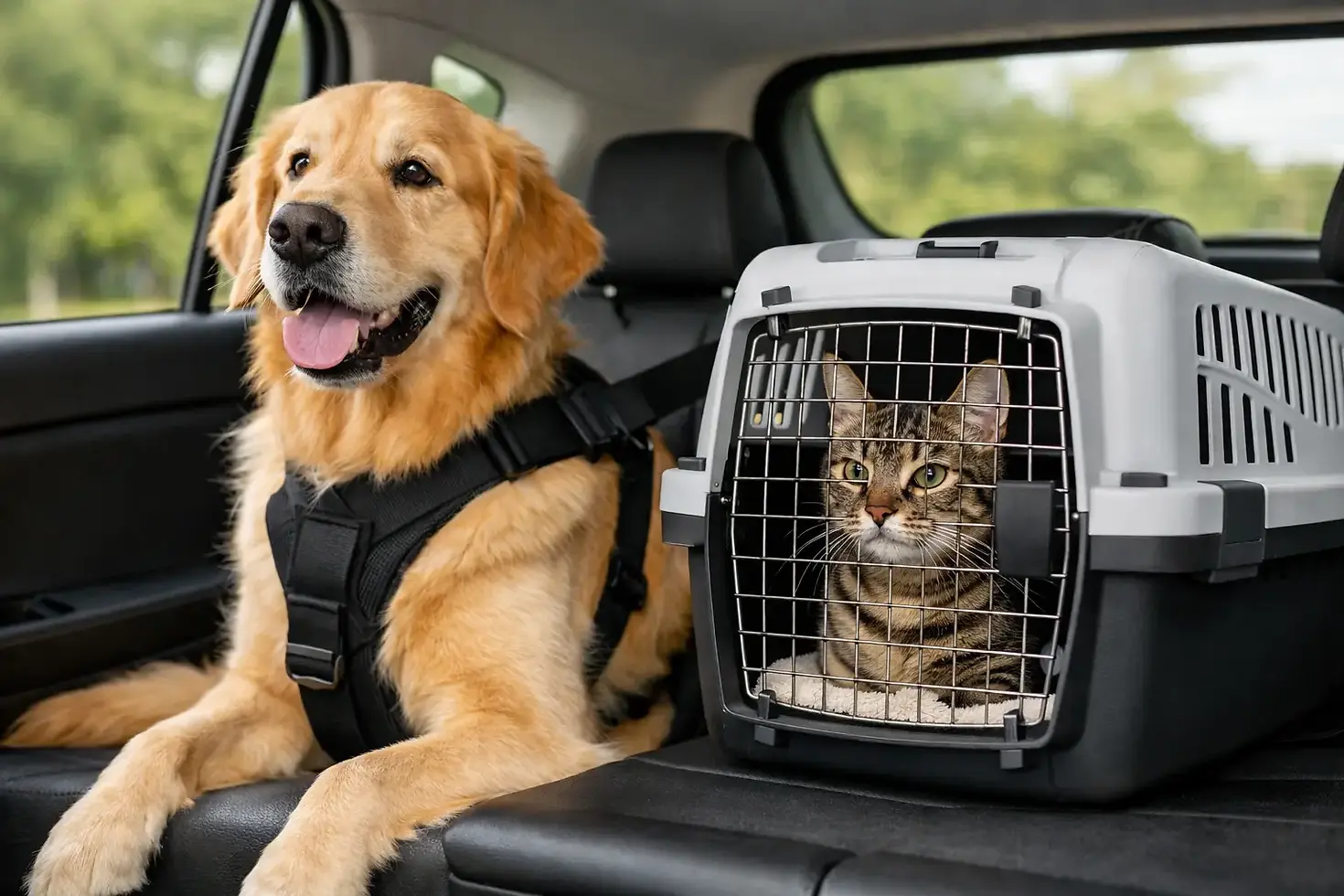
Pet Transportation That Puts Safety First
- Paws n Relax
- Jun 26
- 6 min read

A cross-country move is stressful enough. Add a dog, a cat, or a young puppy who has never been far from home, and the whole thing can feel overwhelming fast. That is why pet transportation is not just about getting from one place to another. It is about protecting a family member through every mile of the trip.
For many owners, the hardest part is not the distance. It is the uncertainty. Who is handling your pet? How often will they be checked on? What happens if weather changes, flight plans shift, or your destination is somewhere more complicated like Hawaii or Alaska? Those are the questions that matter, and they should be answered clearly before any trip begins.
What good pet transportation really means
There is a big difference between moving an animal and caring for one in transit. Good pet transportation starts with a plan that fits the pet, not a one-size-fits-all route. A senior dog with anxiety may need a very different setup than a breeder delivery for a confident young puppy. A cat going to a military family on the other side of the country may need quiet handling and fewer transitions. The right approach depends on the pet’s age, breed, temperament, health history, and destination.
This is where many first-time customers feel stuck. They know they need help, but they do not know what kind of help. Some pets do well with a flight nanny. Others are better suited to ground transport. Some owners want the fastest route available. Others care most about direct attention, frequent updates, or keeping their pet in a low-stress environment. There is no single best method for every animal. There is only the best method for yours.
Choosing the right type of pet transportation
The best transport format usually comes down to three things - your pet’s needs, your timeline, and your comfort level.
A flight nanny service is often a strong choice for small pets that can travel safely in cabin with a dedicated handler. Owners usually like this option because it adds close supervision and reduces the feeling that their pet is out of sight and out of mind. For puppies, kittens, and smaller companion animals, that extra hands-on care can make a real difference.
Standard pet transport can be the right fit when the route is more straightforward and the pet is comfortable with travel. This option works well for many routine domestic moves, especially when the goal is safe, dependable relocation without extra complexity.
VIP transport is ideal when owners want the highest level of personalized attention or when a pet needs a more tailored plan. That might mean direct routing, additional comfort stops, more frequent check-ins, or a travel setup designed around a pet with special needs. If your pet is elderly, nervous, medically sensitive, or simply not used to change, a more customized service is often worth it.
The right provider should talk you through these trade-offs without pushing you toward one option before understanding your situation.
Safety in pet transportation starts before travel day
A safe trip begins long before pickup. One of the clearest signs of a trustworthy transport service is how much they ask before they ever give you a plan. Breed, age, weight, medical history, behavior around strangers, feeding schedule, and crate familiarity all matter. So do pickup and delivery details, climate concerns, and whether your pet has traveled before.
Good preparation also means being honest as an owner. If your dog gets motion sick, say so. If your cat panics around loud noise, mention it. If your puppy is not fully crate trained, that is important too. These details are not minor. They help shape a trip that is safer and calmer.
Documentation is another part of the process people sometimes underestimate. Depending on the route, you may need health certificates, vaccination records, or destination-specific paperwork. This gets even more important for places with stricter entry requirements, including Hawaii. A dependable transport partner will tell you what is needed early, not at the last minute when stress is already high.
Communication matters more than most people expect
When owners talk about a good transport experience, they rarely focus only on arrival. They remember how they felt during the trip. Were they updated? Did someone answer when they called? Did they feel like their pet was being watched over by a real person who cared?
That is why communication is not a bonus in pet transportation. It is part of the service. Clear pickup expectations, regular travel updates, and timely notice of any changes help reduce anxiety for everyone involved. It also builds trust, which matters when you are handing over an animal you love.
A provider does not need to make big promises. They need to be steady. If a delay happens because of weather or airline changes, honesty matters more than perfection. Most owners can handle a change in plans. What they cannot handle is silence.
Complex routes need real experience
Not every trip is a simple state-to-state handoff. Some transports involve remote drop-off locations, airport coordination, or destinations with stricter animal entry rules. Hawaii and Alaska are two of the clearest examples. These routes often require more planning, more paperwork, and tighter timing.
That is where experience shows. A company that has handled complex pet transportation before is more likely to anticipate issues early, explain the process in plain language, and prepare owners for what to expect. This is especially important for military families, relocations, and time-sensitive moves where there is very little room for error.
If your route is unusual, ask direct questions. How often have they handled this destination? What paperwork is typically needed? What happens if timing changes? The answers should be calm, specific, and easy to understand.
Why the cheapest option can cost more
Most families have a budget. That is real, and any good service provider should respect it. But with pet transportation, the lowest quote is not always the safest or most thoughtful choice.
A lower price may reflect fewer updates, less personalized handling, more transitions, or a less flexible plan if something changes. That does not mean higher cost always means better care. It does mean you should understand what is included. Are you getting direct support? Is the route customized? Who is actually responsible for your pet during transit?
For many owners, value comes down to peace of mind. If you are trusting someone with a family member, reliability and accountability matter. So does the feeling that your pet is being treated with patience and care, not moved like cargo.
What pet owners should ask before booking
Before you commit, it helps to listen for more than polished answers. A good transport provider should be able to explain how they handle nervous pets, what communication looks like during the trip, and how they build a route around the animal’s specific needs. They should also be comfortable talking through timing, health requirements, and what they need from you to prepare properly.
It is also fair to ask who will be caring for your pet, how pickup and delivery work, and whether the quote is customized to your trip. A thoughtful service is rarely built around guesswork. It is built around details.
That is one reason many families prefer a quote-based process. It gives the provider a chance to understand the pet and the route before making recommendations. It also gives the owner a chance to feel heard instead of rushed.
At Paws n' Relax, that personal approach matters because every trip has a real animal and a real family behind it.
The best pet transportation feels personal
At the end of the day, people are not just hiring a ride. They are trusting someone to step in when they cannot make the trip themselves. That trust is earned through preparation, steady communication, and the kind of care that treats pets like living, feeling companions.
If you are planning a move, coordinating an adoption, sending a puppy to its new home, or trying to figure out a route that feels too complicated to manage alone, take your time choosing help. Ask questions. Pay attention to how the service makes you feel. The right partner will not make the process sound flashy. They will make it feel safe.
And when your pet arrives calm, cared for, and right where they need to be, that peace of mind is hard to put a price on.


Comments